Vietnam E-Visa for Australians 2026: The Only Guide You Actually Need
If you’re researching the Vietnam visa for Australians in 2026, the first thing to understand is that the rules have changed significantly from what most older guides describe — and some of what’s still circulating online is flat-out wrong. No more 30-day limit. No more visa on arrival approval letters. No embassy queue in Sydney or Canberra. The 90-day Vietnam E-visa applied for online is how it works now, and it works well — when you do it correctly.
Vietnam pulls Australian travelers in hard. The food alone is worth the flight: bánh mì from a street cart at 7 AM in Hoi An, a bowl of bún bò Huế that recalibrates your relationship with spice, pho at a plastic stool in Hanoi’s Old Quarter before the city wakes up properly. Then there’s Ha Long Bay at dawn, the rice terraces of Sapa, the chaos and energy of Saigon. Australians have been going to Vietnam in growing numbers for years, and the visa process has finally caught up with demand — 90 days, multiple entry, fully online.
Whether you’re flying direct from Sydney (SYD), connecting through Melbourne (MEL) or Brisbane (BNE), or you’re an Australian based in Auckland or Wellington planning the trip from New Zealand, the process is identical. One online application, one approval PDF, present it at the border. That’s it — if your application is formatted correctly.

Vietnam E-Visa for Australians 2026: The Only Guide You Actually Need
Vietnam E-Visa Requirements for Australian Citizens
The Vietnam E-visa grants Australians up to 90 days per stay, available in single-entry or multiple-entry format. Both cover tourism, business, and family visits. Here’s what you need before you start:
- Valid Australian passport — minimum 6 months’ validity beyond your planned exit date from Vietnam
- Passport biographical page scan — color, full page, sharp, no glare or shadow
- Recent passport-style photo — white background, full face, no glasses, taken within 6 months
- Valid email address — your approval PDF is sent here
- Payment card — Visa or Mastercard
Standard processing takes approximately 3 business days. Urgent processing delivers approval in 2–4 hours for travelers with imminent departures. The official government fee is USD 25 for single entry and USD 50 for multiple entry — non-refundable in all cases, including rejection. Once approved, your E-visa PDF is valid printed or on your phone screen at all official Vietnamese entry points: airports, land borders, and sea ports.
Denied Boarding at SYD: The Scenario Worth Reading Before You Travel
It’s 5:30 AM at Sydney Kingsford Smith Airport. International terminal. Your Vietnam Airlines flight to Ho Chi Minh City boards in under three hours, and the check-in agent is looking at your screen with an expression that means something has gone wrong. Your E-visa has flagged a name discrepancy against your passport data.
This happens. Not rarely. Airline check-in systems cross-reference your visa data character by character against your passport’s machine-readable information. A middle name included in one place but not the other. A hyphenated name entered inconsistently. A spacing error between given names. Any of these — individually insignificant — can invalidate an approved visa at the check-in counter.
Australian passports are generally clean and straightforward in formatting, but the error still catches travelers off guard because it happens after approval. The visa looks valid. It isn’t, technically, because the data doesn’t match.
If this happens to you at SYD, MEL, BNE, or any Australian airport: don’t argue with the agent. Contact an emergency visa processing service immediately. Our Super Urgent Visa Service can reprocess and deliver a corrected E-visa through priority channels within 2–4 hours — enough time, in most cases, to make your flight.
💡 Expert Insight from Stanley Ho: “Over my 23+ years handling travel logistics and Vietnam visa services, the most frequent disruption occurs at the check-in desk due to simple application formatting errors. If you are stuck at the airport and denied boarding, don’t panic — our emergency team can secure a new E-visa clearance through priority channels within hours, saving your flight.”
The Australian Passport Trap: Name Order and Middle Name Mismatches
Australian passports follow a clean Latin-alphabet format with no diacritical characters — which eliminates one common problem. But Australian travelers run into a different, equally frustrating issue: middle name handling.
The Vietnam E-visa portal has specific fields for given name and surname. Many Australians have two or more given names — a first name and one or more middle names — and the question of whether to include middle names, and where, trips up a surprising number of applications.
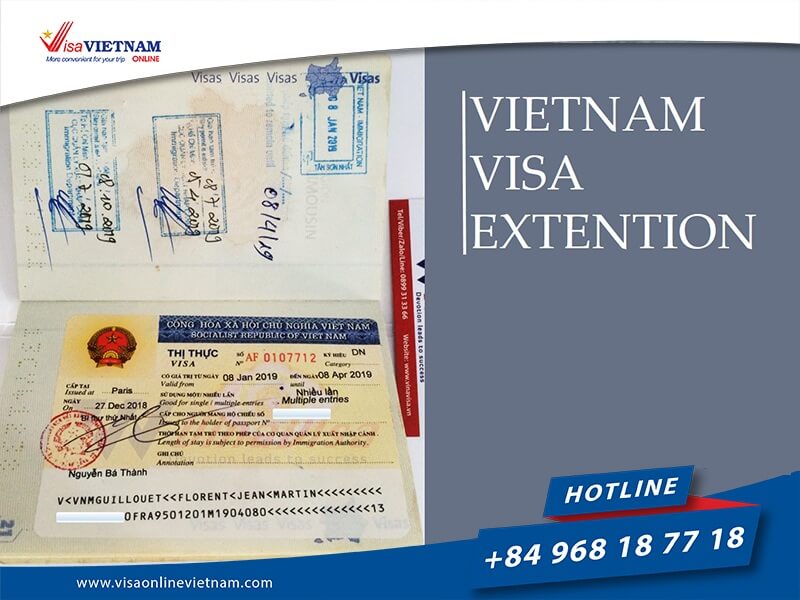
The rule is simple: match your passport’s machine-readable zone exactly. Open your passport to the photo page, look at the two lines of characters at the bottom. Your full name as it appears in that machine-readable string — including whether your middle name is present or absent — is the name you enter in the E-visa application. If your machine-readable zone shows your middle name, include it. If it doesn’t, leave it out.
Hyphenated surnames are another point of failure. If your passport reads SMITH-JONES, enter it as SMITH-JONES — not SMITHJONES, not SMITH JONES. The hyphen matters. The Vietnamese border system reads the machine-readable data, and whatever format appears there is the format that needs to match your visa exactly.
For Australians currently living in or traveling from New Zealand: the same rules apply. There is no need to visit the Vietnamese Embassy in Wellington before your trip — the entire vietnam visa for Australians process is completed online.
VIP Fast-Track at Vietnam’s Airports
Sydney to Ho Chi Minh City is roughly 9 hours direct. Sydney to Hanoi, closer to 10. Add a connection and you’re looking at 12–15 hours of travel before you land. The standard immigration queue at Tan Son Nhat (SGN) or Noi Bai (HAN) during peak periods can add another 45–60 minutes to that.
Our VIP Fast-Track service skips the standard immigration and customs process entirely. A dedicated airport assistant meets you at the aircraft door and escorts you through priority lanes straight to the arrivals hall. Available at SGN (Ho Chi Minh City), HAN (Hanoi), DAD (Da Nang), CXR (Cam Ranh / Nha Trang), and PQC (Phu Quoc). For Australian travelers arriving after a long-haul flight, it’s a clean way to start the trip rather than standing in a queue for an hour when you could already be in a taxi heading to the hotel.
Vietnam E-Visa for Australians 2026: The Only Guide You Actually Need
How to Apply: Step by Step
- Go to the official Vietnam E-visa portal or use a trusted application service — if you want document verification and name-format review before submission, a professional service is worth the additional cost
- Enter your personal details — given name and surname exactly as shown in your passport’s machine-readable zone; include or exclude middle names based on what appears there
- Upload your passport scan and photo — full photo page, color, clear; photo on white background, no glasses
- Select entry type — single-entry for a straightforward trip; multiple-entry if you plan to cross into Cambodia or Laos and return to Vietnam
- Pay and submit — keep your reference number
- Receive your approval PDF by email — standard 3 business days; urgent 2–4 hours; present printed or on your phone at the border
The entire Vietnam visa for Australians process takes under 20 minutes online. No embassy appointment. No courier. No visit to the Vietnamese Consulate in Sydney, Melbourne, or anywhere else.
Frequently Asked Questions
Do Australians need a visa for Vietnam in 2026? Yes. Australia is not on Vietnam’s visa exemption list, so all Australian passport holders require a valid entry document. The 90-day Vietnam E-visa — applied for online before travel — is the correct pathway for tourists, business travelers, and those visiting family. The old 30-day limit no longer applies; the current E-visa grants up to 90 days.
Is the Vietnam Visa on Arrival still available for Australians in 2026? No. The Visa on Arrival approval letter system — where you paid a third-party agency for a letter, then collected a visa sticker at the airport immigration counter — is completely discontinued. It does not exist as a legal entry pathway in 2026. Any website still selling “VOA letters” is selling something that will not get you through a Vietnamese border. Apply for the E-visa online before you travel.
Can I include my middle name on the Vietnam E-visa application? Only if your middle name appears in your passport’s machine-readable zone — the two lines of capital letters at the bottom of your photo page. If it’s there, include it exactly as shown. If it’s not in that machine-readable string, leave it out of the visa application. Mismatches between visa data and machine-readable passport data are the leading cause of check-in denial for Australian travelers.
How long can Australians stay in Vietnam on the E-visa? Up to 90 days per stay. Single-entry or multiple-entry options are available. In-country extension is possible through Vietnamese immigration authorities if you need to stay longer — but start the extension process well before your 90 days expire.
Is the Vietnam E-visa valid at all entry points? Yes. The E-visa is accepted at all official international entry points in Vietnam — including all major airports (SGN, HAN, DAD, CXR, PQC), designated land border crossings, and sea ports. There is no restriction on which entry point you use.
About the Reviewer: Stanley Ho is the CEO of VisaOnlineVietnam and a recognized expert consultant in the international aviation and travel service industry. With 23+ years of experience in travel logistics and Vietnam visa services, Stanley and his team specialize in providing seamless visa solutions, fast-track airport services, and emergency travel assistance for global citizens visiting Vietnam.