Vietnam entry ports e-visa eligible
Vietnam entry ports e-visa eligible refers to specific ports of entry in Vietnam where travelers can utilize the e-visa facility, streamlining their arrival process significantly. This modern immigration approach not only enhances convenience for international tourists and business travelers but also aligns with Vietnam’s efforts to modernize its travel infrastructure in order to promote tourism and business relations effectively.
Vietnam Entry Ports: E-Visa Eligibility Overview
Vietnam, a country rich in culture and natural beauty, has made significant strides in simplifying the travel experience for foreigners. The introduction of the e-visa program was a substantial leap towards making travel easier and more accessible for international visitors. Under this scheme, travelers can apply for an e-visa online, avoiding the need to visit embassies or consulates. The e-visa is a convenient solution for tourists and business travelers alike, allowing them to gain entry to Vietnam without unnecessary delays.
Understanding the eligibility of various entry ports is crucial for travelers planning their journey. E-visas are accepted at designated entry points, which include international airports, seaports, and land border gates. Therefore, identifying the Vietnam entry ports that are e-visa eligible is essential for ensuring a smooth transition upon arrival. This article delves deeper into the ports that accept e-visas and what travelers need to know before embarking on their journey.
Streamlining Travel: Understanding E-Visa Access at Vietnamese Ports of Entry
The e-visa program significantly streamlines travel protocols, allowing individuals to apply for an e-visa effortlessly from the comfort of their homes. This process typically takes minimal time and can be completed in a few clicks. The e-visa permits stays of up to 30 days in Vietnam and is valid for tourism, business, and other stays that do not involve paid work. This flexibility has attracted a significant number of travelers seeking to explore Vietnam’s rich history and diverse landscapes.
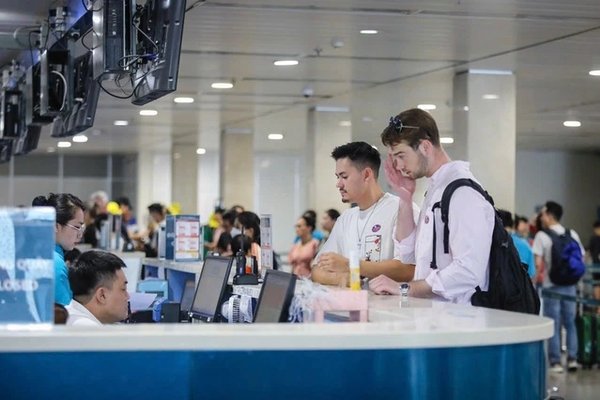
At various designated Vietnam entry ports, travelers with an e-visa are welcomed swiftly through dedicated lines, minimizing wait times and enhancing the overall travel experience. The acceptance of e-visas across international airports, seaports, and selected land borders signifies Vietnam’s commitment to enhancing its tourism infrastructure and making the entry process more efficient for visitors.
Key Vietnam Entry Ports Accepting E-Visas
Vietnam boasts numerous entry points that accept e-visas, making it accessible for countless tourists. Major international airports such as Tan Son Nhat Airport in Ho Chi Minh City, Noi Bai Airport in Hanoi, and Da Nang International Airport are among the primary points where e-visas can be utilized. These airports serve as the first gateways to some of Vietnam’s most popular destinations, providing a significant advantage for tourists wishing to dive straight into their Vietnamese adventure.
In addition to airports, Vietnam’s e-visa system accommodates travelers arriving by sea and land. Notable seaports like the Port of Da Nang and the Port of Nha Trang accept e-visas, expanding the options for cruise travelers. Furthermore, border gates such as the Moc Bai Border Gate connecting Vietnam and Cambodia also permit e-visa holders. This network of entry points enhances visitors’ choices depending on their mode of travel and itinerary, ensuring a smooth introduction to the wonders of Vietnam.
Navigating the E-Visa System: What Travelers Need to Know
The e-visa application process is designed to be user-friendly, yet travelers must comprehend the particular requirements and guidelines to avoid any potential inconvenience. To apply for an e-visa, travelers need to fill out an online application form, upload a passport-size photo, and submit their passport details. It’s essential to ensure that the passport has at least six months of validity beyond the arrival date in Vietnam to meet the entry criteria.
Once the application is submitted, applicants can expect processing times of about three business days. Therefore, travelers are strongly advised to apply for their e-visa well in advance of their departure dates. Upon approval, the e-visa is sent via email, and travelers must print a copy to present upon arrival at their chosen Vietnam entry port. Following these steps ensures a seamless entry experience, allowing travelers to focus on enjoying their Vietnamese adventure.
Eligibility Criteria for E-Visa Holders at Vietnam Entry Points
E-visa holders must meet specific eligibility criteria to utilize the e-visa system effectively at Vietnam entry points. First and foremost, applicants must be citizens of one of the 80 countries eligible for the e-visa program. Each country has its own set of stipulations, so verifying eligibility before applying is critical. While most travelers find themselves on the eligible list, there are some exceptions to keep in mind.
Moreover, it is crucial for e-visa applicants to ensure that their purpose of entry aligns with the allowed categories for e-visa use—namely tourism, business, and family visitation. The e-visa does not permit activities involving work or long-term stays that exceed the allowed 30-day limit. Once granted an e-visa, adherence to the rules and regulations throughout their stay is essential to avoid complications during departure or in future travels.
Benefits of Using E-Visas at Designated Vietnam Entry Ports
The advantages of using e-visas at designated Vietnam entry ports extend beyond mere convenience; they catalyze a broader positive impact on overall travel dynamics. For instance, e-visas significantly reduce processing times, allowing travelers to enjoy a more efficient entry procedure. This fast-track experience not only enhances traveler satisfaction but also eases congestion at immigration checkpoints.
Additionally, e-visas promote greater tourism in Vietnam. By streamlining the application process and expanding entry options to various ports, Vietnam positions itself as a more accessible destination for tourists worldwide. As a result, this initiative contributes to local economies, encourages cultural exchange, and strengthens Vietnam’s status within the global tourism market.
Troubleshooting and Support for E-Visa Entry at Vietnamese Ports
Despite the best intentions, travelers may encounter challenges when entering Vietnam with an e-visa. Thus, being prepared can alleviate potential concerns. In case of technical issues or uncertainties regarding the application, travelers are advised to contact the local Vietnamese embassies or consulates before traveling. These institutions provide essential support, clarifying any confusion regarding entry requirements and processes.
Moreover, it is vital to stay informed about any updates related to e-visas and entry regulations through official Vietnamese government channels. Unexpected changes can occur in immigration policies, and being well-informed can make a significant difference. If travelers experience trouble upon arrival, keeping relevant documentation, including printed e-visa confirmation, readily available will facilitate smoother interactions with border officials.
Future Trends in Vietnam Entry Port E-Visa Implementation
The e-visa system in Vietnam is poised for evolution, with ongoing developments anticipated as technology continues to advance. With the rise of digital travel tools, there is potential for Vietnam to enhance its e-visa platform, possibly integrating AI-based systems for faster processing and real-time support. Future iterations of the e-visa program may offer features that allow travelers to track their applications’ status or adjust their plans seamlessly through dedicated mobile applications.
Additionally, as travelers increasingly seek hassle-free global travel experiences, the success of Vietnam’s e-visa initiative might inspire further expansions. Authorities could consider enhancing the e-visa program to serve other entry points or offering longer stay durations. Such developments would not only attract more visitors but also reflect Vietnam’s commitment to staying competitive in a rapidly evolving travel landscape.
Conclusion
The establishment of Vietnam entry ports e-visa eligible as part of Vietnam’s immigration landscape has transformed how international travelers can access this enchanting destination. With visitor-friendly elements such as a straightforward application process, significant entry ports accommodating e-visas, and a growing emphasis on modernization, Vietnam positions itself as a welcoming hub for global tourists. As travelers navigate the available options and criteria for e-visa usage, they will find that breathtaking scenery, rich culture, and warm hospitality await them in this Southeast Asian gem.