Navigating Vietnam Immigration Requirements – Essential Guide for Travelers and Residents
Traveling or relocating to Vietnam involves understanding a range of immigration regulations that ensure smooth entry, residence, and departure. The Vietnam immigration requirements are crucial for anyone planning their journey—whether for tourism, business, or permanent residence. This comprehensive guide provides detailed insights into various aspects of Vietnam’s immigration policies, helping travelers and prospective residents navigate the process confidently and efficiently.
Vietnam immigration requirements
Before entering Vietnam, travelers must familiarize themselves with the multiple regulations that regulate entry, stay, and exit. These requirements are designed to ensure security, compliance with local laws, and to facilitate tourism and business endeavors. Effective planning involves understanding visa categories, documentation needed, and specific criteria for different types of travelers.
Vietnam’s immigration policies are continually evolving, especially with increased tourism and international engagement. The government emphasizes clarity and simplicity in its visa procedures, providing various options such as e-visas, visas on arrival, and traditional visa applications. For residents or long-term visitors, additional requirements like permanent residence permits come into play. The key is to understand the different visa categories, their specific prerequisites, and procedures for application and renewal.
Vietnam also strictly adheres to Vietnam border requirements, requiring travelers to meet specific conditions upon entering or leaving the country. These include passport validity, visa status, and supporting documentation. The Vietnam exit requirements are equally important to ensure travelers leave lawfully without any legal or immigration issues, especially for those seeking permanent residence or long-term stays. Overall, staying informed and prepared guarantees an effortless experience navigating Vietnam’s immigration landscape.
Types of visas and their regulations
The Vietnamese government issues multiple types of visas tailored to different purposes, including tourist visas, business visas, and family visit visas. Each visa category has distinct passport requirements for Vietnam and specific Vietnamvisa requirements that applicants must meet.
Tourist visas are generally designed for short-term stays, often valid for 30 days to six months. Citizens from many countries can apply for an e-visa, simplifying the process through online applications. Business visas are intended for those who are engaging in commercial activities or work-related matters. These often require letters of invitation from Vietnamese business partners, and in some cases, additional documentation regarding the purpose of visit and financial means.
Long-term options such as work permits or permanent residence require meeting specific Vietnam permanent residence requirements. These typically involve proof of employment, investment levels, or familial ties. Vietnam’s visa policy is designed to encourage inbound investment and tourism, hence, understanding these provisions is vital for seamless travel and settlement. For example, during the application process, passport validation and background checks play crucial roles.
Application process and documentation
To successfully meet the Vietnam immigration requirements, travelers must prepare an array of documents. This includes a valid passport, confirmed return airline tickets, proof of sufficient funds, and sometimes, additional supporting paperwork like hotel reservations or invitation letters.
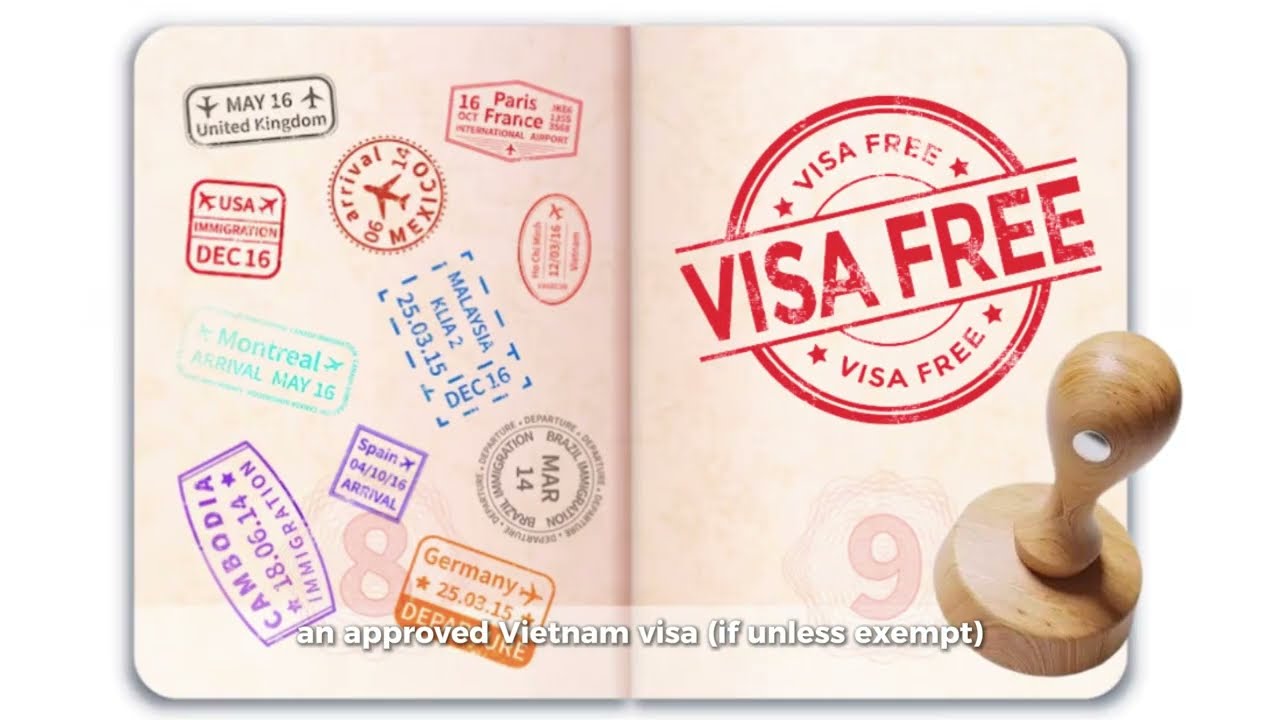
One of the key documents is the passport, which must often meet certain criteria—discussed in the “Passport requirements for Vietnam” section. For those applying through the Vietnamese embassy abroad, submitting completed application forms and paying applicable fees are essential procedural steps. The Vietnam Visa on Arrival and E-visa services have simplified these steps for eligible travelers, allowing online submission and quick processing, which is especially useful during urgent trips.
Applicants should also be aware of the Vietnam border requirements—including restrictions on certain goods, items, or currencies—before traveling. Ensuring compliance with these regulations enhances entry feasibility. Moreover, for those planning long-term residency, acquiring a work permit or residency card involves detailed bureaucratic steps, including health checks, background verification, and sometimes, application through legal channels.
Vietnam arrival requirements
Arriving in Vietnam involves meeting specific conditions that confirm your eligibility and preparedness for entry. These Vietnam arrival requirements are designed to streamline the process and ensure travelers comply with national laws.
The moment of arrival is critical because it is the point at which border officials verify your documentation. Ensuring you meet these entry criteria minimizes delays and potential denial of entry. The most common requirements involve presenting a valid visa, passport, and supporting documents, alongside completing health declarations when necessary.
Vietnam’s entry protocols can differ depending on your nationality and the purpose of your visit. Many travelers benefit from understanding Vietnam border requirements in advance to avoid surprises at the point of entry. This includes verifying whether you are eligible for e-visas or visas on arrival, and ensuring your passport’s validity extends at least six months beyond your intended stay. In addition, travelers are often asked about their accommodation plans, financial resources, and the purpose of travel.
Document verification upon arrival
When arriving in Vietnam, travelers will go through a verification process where officials examine all necessary documentation. For those entering on an e-visa or visa on arrival, having the correct paperwork confirmed online before departure simplifies this process. Travel document checks are rigorous, particularly for travelers from countries with specific entry restrictions or registration requirements.
It is vital to present correctly filled-out arrival forms and, if applicable, supporting invitations or hotel bookings. For long-term visitors and expatriates, initial entry may include additional steps such as biometric data collection or health assessments, especially in the context of evolving health protocols. Preparing all documentation beforehand ensures a smooth disembarkation and prevents unnecessary delays or refusals.
Entry restrictions and health protocols
In recent years, health protocols, especially for COVID-19, have significantly influenced Vietnam border requirements. Travelers should be aware of vaccination, testing, and quarantine regulations that may fluctuate depending on the global health situation. For this reason, consulting official sources or the Vietnam Embassy New Zealand before traveling is highly recommended.
Certain restrictions might be lifted or tightened based on pandemic developments; hence, travelers should stay updated right up to their departure date. Additionally, ensure your vaccination records, if required, are documented correctly and are readily accessible during travel. Understanding and complying with these protocols will facilitate a seamless arrival and entry process.
Common challenges faced during arrival
Many travelers encounter issues related to incomplete documentation or misunderstanding of Vietnam border requirements. Such problems often lead to delays, refusals, or the need to reschedule travel plans. For example, failing to meet passport requirements for Vietnam—such as validity or blank pages—can cause complications upon arrival.
Developing a thorough checklist based on official guidance minimizes this risk. It’s advisable to carry multiple copies of important documents and digital backups as a safeguard against unexpected issues. Clear communication with airline staff and border officials, along with patience, can also ease the process, especially during busy travel periods or in the face of evolving health mandates.
Vietnam exit requirements
Exiting Vietnam involves specific procedural steps to ensure travelers depart legally and avoid complications during re-entry or future travel. Understanding Vietnam exit requirements helps travelers prevent legal issues or overstay penalties that could impact their ability to revisit Vietnam or other countries.
The primary requirement is that travelers must leave within the validity period of their visa or residence permit. Overstaying can result in hefty fines, future entry bans, or refusal of visa issuance. Hence, planning your departure date must align closely with your visa validity and any additional conditions attached to your stay.
Departure procedures and documentation
At the point of departure, travelers should bring all relevant documents, including passports, visas, and any residence permits. Border officials will verify these documents and may ask about your stay to ensure compliance with Vietnam’s immigration requirements. If departing on a visa or license that involves extension, ensure all paperwork is completed beforehand, or you may face penalties.
In some cases, travelers leaving Vietnam should complete customs declarations related to goods or currency carried. Properly declaring items aligns with Vietnam border requirements and prevents issues during transit. It is also wise to keep proof of onward travel or return flights handy, especially when applying for visas to other countries afterward.
Overstays and penalties
Overstaying your visa can have serious consequences, including fines, detention, or future travel restrictions. Therefore, it is crucial to monitor your visa validity and undertake necessary procedures for extensions or exit before the deadline. If an overstay occurs, contacting local immigration authorities promptly can mitigate penalties.
Long-term residents seeking permanent departure should follow additional procedures for Vietnam permanent residence requirements, which may involve formal notifications and documentation. These steps ensure you leave legally and uphold good standing with Vietnamese authorities for future return visits.
Special considerations for long-term residents
Long-term residents or expatriates planning to leave Vietnam permanently need to ensure all legal obligations are satisfied. This involves canceling or transferring work permits, residency cards, or investment licenses, as applicable. Proper handling of these processes ensures compliance with Vietnam exit requirements and avoids legal complications.
Consulting with legal experts or embassy services can facilitate these end-of-stay procedures. Additionally, making arrangements for the repatriation or transfer of assets ensures a smooth transition out of Vietnam, especially for those undertaking Vietnam permanent residence requirements.
Vietnam permanent residence requirements
Achieving permanent residence status in Vietnam is a significant milestone for expatriates and long-term residents. The Vietnam permanent residence requirements are designed to ensure applicants meet criteria related to legal, financial, and social integration within the country.
Requirements can vary depending on the applicant’s background—whether they are investors, employees, or family members—yet all must demonstrate commitment and adherence to Vietnamese legal standards. The process often entails a comprehensive review of documents, including employment history, investment levels, or familial ties.
Eligibility categories and criteria
Vietnam’s permanent residence requirements differ for various categories, such as investment, marriage, or employment. Investment in Vietnamese businesses or real estate often expedites eligibility, provided the investment is substantial and compliant with national laws. Marriage to a Vietnamese citizen also presents a pathway, requiring proof of genuine relationship and residency duration.
Foreigners applying under employment-based circumstances usually need to provide proof of legal employment, stable income, and health insurance coverage. Family reunification applicants must demonstrate familial ties through marriage or kinship documents. Understanding these eligibility requirements is essential for planning a successful permanent residence application.
Application process and additional documentation
Applying for permanent residence involves submitting an application to the Vietnamese immigration authorities. This process requires detailed documentation, including personal identification, proof of legal stay, financial statements, and health certificates. For investment or employment applicants, relevant licenses or employment contracts must accompany the application.
A comprehensive review process assesses eligibility based on criteria such as financial stability, social integration, and compliance with Vietnamese laws. Applicants may also need to attend interviews or provide additional information during the review period. Collaboration with legal or immigration experts can streamline this complex process.
Benefits and obligations of permanent residence
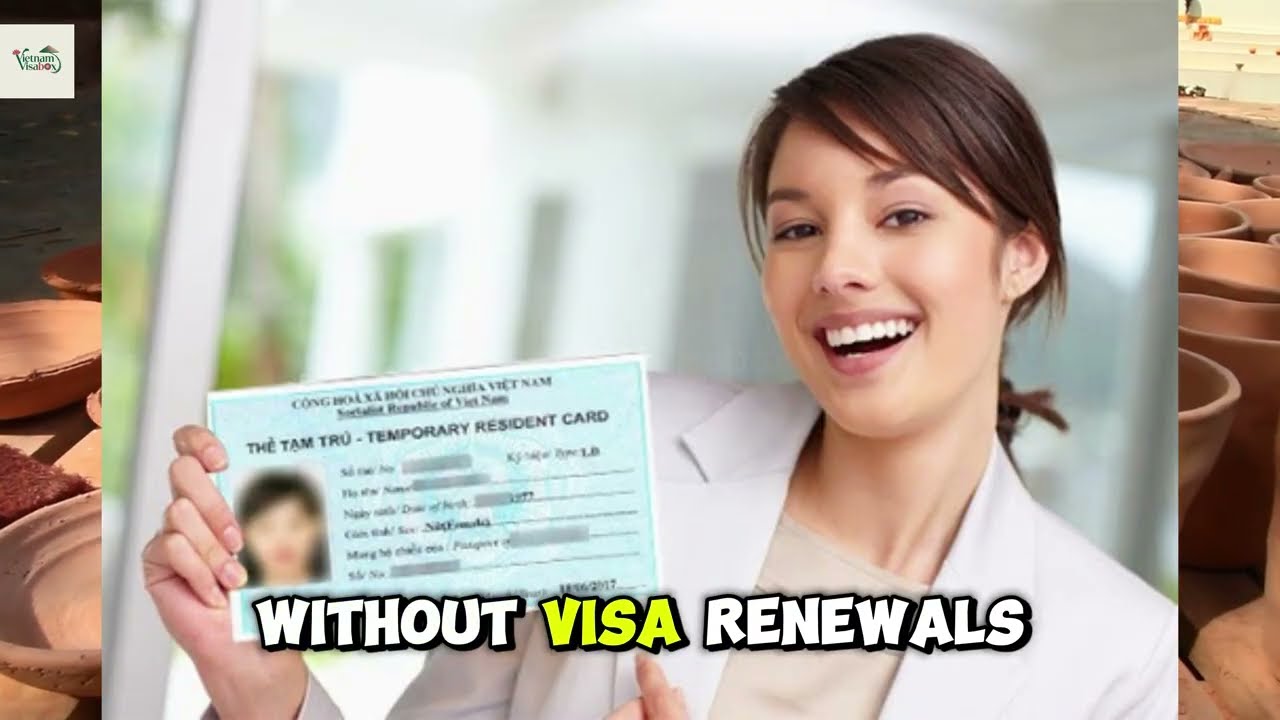
Achieving Vietnam permanent residence requirements confers numerous benefits, such as the ability to live and work long-term without renewal hassles, access to social services, and the ability to purchase property freely.
However, permanent residents have obligations as well, including compliance with Vietnamese law, renewal of residence card periodically, and adherence to tax regulations. They are also expected to maintain legal income and avoid activities that could jeopardize their residency status. The benefits significantly outweigh the responsibilities, making it a worthwhile pursuit for those committed to establishing roots in Vietnam.

FAQs on Vietnam Immigration Requirements
What documents are needed for a tourist visa to Vietnam?
You will generally need a valid passport, completed visa application form, recent passport-sized photos, proof of onward travel, and hotel reservations or invitation letters. For citizens eligible for an e-visa, the application can often be completed online, reducing paperwork.
How long does it take to process a Vietnam visa?
Processing times vary based on visa type and method of application. Standard visas typically take 3-5 business days. Urgent and express services can expedite this to 24-48 hours. For e-visas, approval usually occurs within 3 days.
Can I extend my stay in Vietnam if I overstay my visa?
Overstaying your visa can lead to fines and future travel restrictions. It’s recommended to apply for a visa extension or leave Vietnam before your visa expires. Extensions can often be obtained through the Vietnamese immigration department or authorized agencies.
What are the key Vietnam border requirements a traveler should know?
Major Pointers include valid passport with adequate validity, appropriate visa, and any health or legal documentation required. Travelers must also declare certain items and currencies, adhere to quarantine protocols if applicable, and follow specific restrictions based on their nationality.
Is it possible to apply for permanent residence in Vietnam as a foreigner?
Yes, foreigners can apply for permanent residence, especially if they meet criteria related to investment, marriage, or employment. The process involves fulfilling detailed Vietnam permanent residence requirements and submitting comprehensive documentation to Vietnamese immigration authorities.
Conclusion
In summary, understanding the Vietnam immigration requirements—from visas and onboarding processes to border and residence regulations—is essential for a smooth journey and successful long-term stay. Whether traveling temporarily, working, investing, or seeking permanent residence, being well-informed about the specific criteria, documentations, and procedural steps ensures compliance and reduces stress. Staying current with policies and consulting official resources, such as the Vietnam Embassy New Zealand, can provide invaluable assistance throughout your Vietnam experience. With thorough preparation and knowledge, you can enjoy your time in Vietnam legally, comfortably, and fully prepared for all necessary procedures.