
Vietnam E-Visa for New Zealand Citizens 2026: The Only Guide You Actually Need
Vietnam doesn’t ease you in gently. The moment you land — whether it’s the chaos of Tan Son Nhat’s arrivals hall or the cool, breezy calm of Da Nang — you feel it. The country grabs you. And once it does, most Kiwis I’ve met start asking the same question before they’re even off the plane: how long can I actually stay?
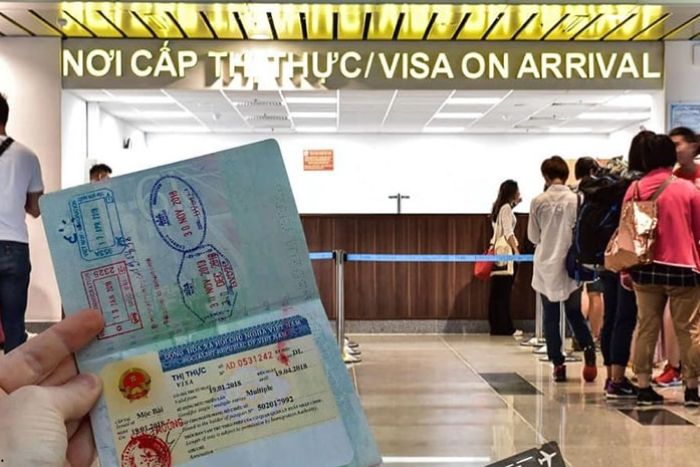
The good news for New Zealand passport holders is this: 90 days. A full, glorious 90 days on a single Vietnam E-visa. That’s enough time to ride a motorbike from Hanoi to Ho Chi Minh City, learn how to make phở properly, discover a secret beach on Phu Quoc, and still have weeks left over. The old system — the one where you had to chase down an approval letter from some dodgy agent, wave it at the check-in counter, and pray — is dead. Gone. The Visa on Arrival (VOA) letter system is completely obsolete in 2026, and good riddance to it.
What replaced it is clean, fast, and entirely online: the Vietnam E-visa. If you hold a New Zealand passport and you’re planning to visit Vietnam this year, this is the only entry pathway you need to understand.
Vietnam E-Visa Requirements for New Zealand Citizens
The Vietnam E-visa gives New Zealand citizens permission to enter the country for up to 90 days — single or multiple entry. That’s not a typo. Ninety days. And the multiple-entry option means you can pop over to Laos for a weekend, come back, and your visa clock doesn’t reset in a punishing way.
Here’s what you need to have ready before you start the application:
- A valid New Zealand passport — minimum 6 months validity beyond your intended departure date from Vietnam
- At least one blank page in your passport for stamps
- A recent passport-style photo — plain white background, face clearly visible, taken within the last 6 months
- A clear scan of your passport bio page — the one with your photo and personal details
- Proof of onward travel — a return ticket or ongoing booking (not always checked, but have it)
- A valid email address — your approved e-visa will be delivered here
- A debit or credit card for the application fee
Processing takes roughly 3 business days through the standard government portal. If that timeline doesn’t work for you — say, you’ve left it until the week of travel — urgent processing through a specialist service can turn it around in 2 to 4 hours. More on that in a moment.
Denied Boarding at AKL: What Happens When Your Visa Isn’t Ready
Picture this. You’re at Auckland Airport (AKL), bags checked, coffee in hand, boarding pass on your phone. The check-in agent glances at your screen, frowns, and says: “I’m sorry, sir — we can’t verify your Vietnam entry documentation.”
Your flight boards in 3 hours. Your hotel is paid for. Your friends are already in Hội An.
This scenario is not rare. I’ve spoken with dozens of travelers who’ve hit this exact wall — not because they didn’t apply for an e-visa, but because something went wrong in the application. A name formatted incorrectly. A passport number with a transposed digit. A photo that didn’t meet the spec. The Vietnam e-visa portal is an automated system. It doesn’t forgive small mistakes, and airline check-in staff aren’t immigration officers — they follow strict protocols.
If this happens to you, don’t melt down at the counter. Call us.
💡 Expert Insight from Stanley Ho: “Over my 23+ years handling travel logistics, the most frequent disruption occurs at the check-in desk due to simple application formatting errors. If you are stuck at the airport and denied boarding, don’t panic—our emergency team can secure a new E-visa clearance through priority channels within hours, saving your flight.”
Our Super Urgent Visa Service operates around the clock. Within 2 to 4 hours, we can push through a clean, correctly formatted application through priority channels. It has saved more flights than I care to count. If you’re reading this at 11pm the night before departure, that’s exactly why this service exists.
Vietnam E-Visa for New Zealand Citizens 2026: The Only Guide You Actually Need
The New Zealand Passport Trap: Name Formatting Errors That Kill Applications
This section matters more than most travelers expect, and it’s specific to New Zealand passports in ways that often surprise people.
New Zealand is home to one of the most culturally diverse populations in the world. Te Reo Māori names — Tūhoe, Māhaki, Ātaahua, Ngāpuhi — are legally valid on New Zealand travel documents and increasingly common. The problem? Vietnam’s e-visa online portal does not recognise macrons. Those long vowel markers — the ā in “Waimārie”, the ū in “Tūhoe” — get stripped out, misread, or cause the system to reject the field entirely.
So what do you do? You enter the name exactly as it appears in the Machine Readable Zone at the bottom of your passport — the two lines of characters at the very bottom of your bio page. That’s the version the portal is cross-checking against airline and immigration systems. If your name there reads “TUHOR” because the system couldn’t handle the macron, that’s what you enter. Not what’s printed in the name field above.
Beyond Māori names, New Zealand passports also present issues for:
- Pacific Island compound names — Samoan, Tongan, and Fijian names often combine multiple given names into a single long string that exceeds the portal’s character limit for name fields
- Hyphenated surnames — increasingly common in NZ, these sometimes cause the portal’s surname field to throw a validation error
- Names with apostrophes — Te O’Brien, for instance — which the portal may reject entirely
My rule of thumb: always cross-reference what you type against the machine-readable text at the bottom of your passport page. Character for character. If there’s a mismatch between what you type and what Vietnam immigration sees, your entry can be denied.
Skip the Queue: VIP Fast-Track at Vietnam’s Airports
If you’re arriving into Vietnam on business, or simply don’t want to spend 45 minutes in a slow-moving immigration queue after a 12-hour flight from Auckland, there’s a better option.
Our VIP Airport Fast-Track service gives you access to the priority immigration lane — the one the diplomats and airline crew use. A personal concierge meets you at the gate, escorts you through the priority channel, handles the stamp formalities, and has you through to baggage claim while the general queue is still shuffling forward. The service is available at all three major international gateways: Noi Bai in Hanoi (HAN), Tan Son Nhat in Ho Chi Minh City (SGN), and Da Nang International (DAD).
For Kiwi business travellers heading to meetings in Hanoi or Ho Chi Minh City — where arriving sharp and unrumpled actually matters — this is a straightforward decision. Time is money. The queue isn’t.
How to Apply for Your Vietnam E-Visa in 2026
The process is genuinely straightforward when you know what to expect. Here’s the full walkthrough:
- Go to the official Vietnam Immigration portal at evisa.xuatnhapcanh.gov.vn — or use a trusted third-party service like VisaOnlineVietnam if you’d prefer guided assistance and a human to catch errors before submission.
- Fill in your personal details carefully — full name exactly as shown in the machine-readable zone of your passport, date of birth, passport number, and planned entry and exit dates.
- Upload your documents — passport bio page scan and a recent passport-style photo against a white background. Both must be clear, unobstructed, and within file size limits.
- Select your entry type — single or multiple entry, up to 90 days. For most tourists, multiple entry is worth the marginal extra cost given the flexibility.
- Pay the application fee — by card, processed securely at the time of submission.
- Receive your approval via email — standard processing takes 3 business days. Urgent processing through a specialist service delivers in 2 to 4 hours.
- Save or print your e-visa approval letter — Vietnam’s immigration officers accept both digital and printed versions. Keep it accessible on your phone and have a printed backup if you’re cautious.
That’s it. No embassy appointment. No courier. No approval letter from a third-party agent. The old VOA letter system is dead — this is what replaced it, and it’s better in every way.
Frequently Asked Questions
Can New Zealand citizens get a visa on arrival in Vietnam in 2026? No. The old Visa on Arrival (VOA) approval letter system, where you’d obtain a letter from an agent and collect your visa stamp at the airport, is completely obsolete. In 2026, the only online option for New Zealand tourists is the Vietnam E-visa, applied for before travel and valid for up to 90 days.
How long can a New Zealand passport holder stay in Vietnam on an e-visa? Up to 90 days — single or multiple entry. This is the standard validity for the Vietnam E-visa issued to New Zealand citizens. The actual duration of your permitted stay is confirmed by the immigration officer upon entry, so make sure your e-visa clearly matches your travel dates.
What if my name has a macron or other special character not supported by the portal? Use the name exactly as it appears in the machine-readable zone at the bottom of your passport’s bio page — the two lines of characters in the strip at the bottom. This is the standardised format Vietnam’s immigration system cross-checks against. Do not use macrons or special characters; the portal will either strip or reject them.
Can I extend my Vietnam E-visa once I’m already in the country? Vietnam does not currently offer online e-visa extensions. If you need additional time beyond your approved stay, you must visit an Immigration Office in Hanoi or Ho Chi Minh City before your visa expires and apply in person. Processing can take up to 10 business days, so plan well ahead. Extensions beyond a total of 90 days require a new visa application.
Is the Vietnam E-visa accepted at all entry points? Yes. The Vietnam E-visa is valid at all international airports (Hanoi, Ho Chi Minh City, Da Nang, and others), as well as international land border crossings and sea ports. Double-check that your intended entry point is listed on your approval letter before travel.
About the Reviewer: Stanley Ho is the CEO of VisaOnlineVietnam and a recognized expert consultant in the international aviation and travel service industry. With decades of experience navigating complex immigration regulations, Stanley and his team specialize in providing seamless visa solutions, fast-track airport services, and emergency travel assistance for global citizens visiting Vietnam. Read his full profile here.


Comments are closed.