Best Places to Visit in Vietnam in August 2026: The Honest Guide for Kiwi Travellers
August in Vietnam is complicated. I’ll be honest with you about that upfront — because most travel articles won’t be.
The country sits in the middle of its wet season in August, and depending on which region you’re standing in, that either means a daily afternoon downpour that clears by sunset, or it means genuine typhoon risk and flooded streets. The difference matters enormously for a Kiwi who’s just flown 14 hours from Auckland and has two weeks to make count.
Here’s the thing though: August is also one of the cheapest months to travel in Vietnam. Crowds thin out at some of the most popular destinations. Prices drop at hotels and tours. And if you know where to go in August — and more importantly, where to avoid — you can have a genuinely spectacular trip while everyone else is either sitting on a rainy beach or queuing behind peak-season tour groups in April. That’s what this guide is about.
Sort your Vietnam E-visa before anything else. The 90-day multiple-entry E-visa is what New Zealand passport holders need in 2026 — applied for online, processed in 3 business days, valid for the entire duration of your stay. The old Visa on Arrival letter system is dead and gone. Don’t let an outdated website tell you otherwise.
Now — where to go.
Understanding Vietnam’s Weather in August: A Region-by-Region Reality Check
Vietnam is a long country — nearly 1,650 kilometres from north to south — and its August weather varies so dramatically by region that what’s true in Hanoi is almost irrelevant to what you’ll experience in Mũi Né. This is the single most important thing to understand before planning an August trip.

Northern Vietnam (Hanoi, Hạ Long Bay, Sapa, Hà Giang): August is peak wet season and peak typhoon season in the north. Hanoi sits at around 29–32°C with humidity that makes it feel like you’re breathing warm soup. Hạ Long Bay is navigable — the cruises still run — but August is genuinely the riskiest month for weather disruptions on the water, with some departures cancelled when storms roll in. The northern mountains around Sapa, Hà Giang, and Mù Cang Chải are saturated with rain, trails turn to mud, and trekking becomes difficult and sometimes dangerous. If the terraced rice fields are on your list, wait until September or October when they start to turn gold.
Central Vietnam (Đà Nẵng, Hội An, Huế, Quảng Bình): August is actually the dry season for the central coast. While the north is drenched, the central region sits in a rain shadow that keeps skies mostly clear through the summer months. Temperatures run hot — 31 to 35°C — but the beaches are at their best, and this is exactly where August visitors should anchor their itineraries. Huế and Quy Nhơn sit at the edge of this dry window and get more rain than Hội An or Đà Nẵng, so factor that in.
Southern Vietnam (Ho Chi Minh City, Mekong Delta, Mũi Né, Phú Quốc): The south is in wet season, but “wet season” in the south means something different than it does in the north. Expect daily afternoon rain — often intense, often brief — followed by clear evenings. Ho Chi Minh City carries on regardless, as it always does. Mũi Né is a particular standout in August for reasons I’ll explain shortly. Phú Quốc gets more rain than the mainland and is better visited outside wet season.
With that framework in mind, here are the five destinations I’d recommend to any Kiwi travelling Vietnam in August.
1. Mũi Né — Vietnam’s Wind Capital, and August Is Its Best Month
Mũi Né sits on the southeastern coast, about 200 kilometres northeast of Ho Chi Minh City, and in August it does something unusual: while the rest of southern Vietnam is getting rained on, Mũi Né catches strong, consistent winds off the South China Sea that keep the skies relatively clear and the sea conditions perfect for wind sports. It’s not a coincidence that this fishing village turned resort town has become one of Southeast Asia’s premier kitesurfing and windsurfing destinations — and August, when the winds peak, is when the serious riders come.
Mũi Né — Vietnam’s Wind Capital, and August Is Its Best Month
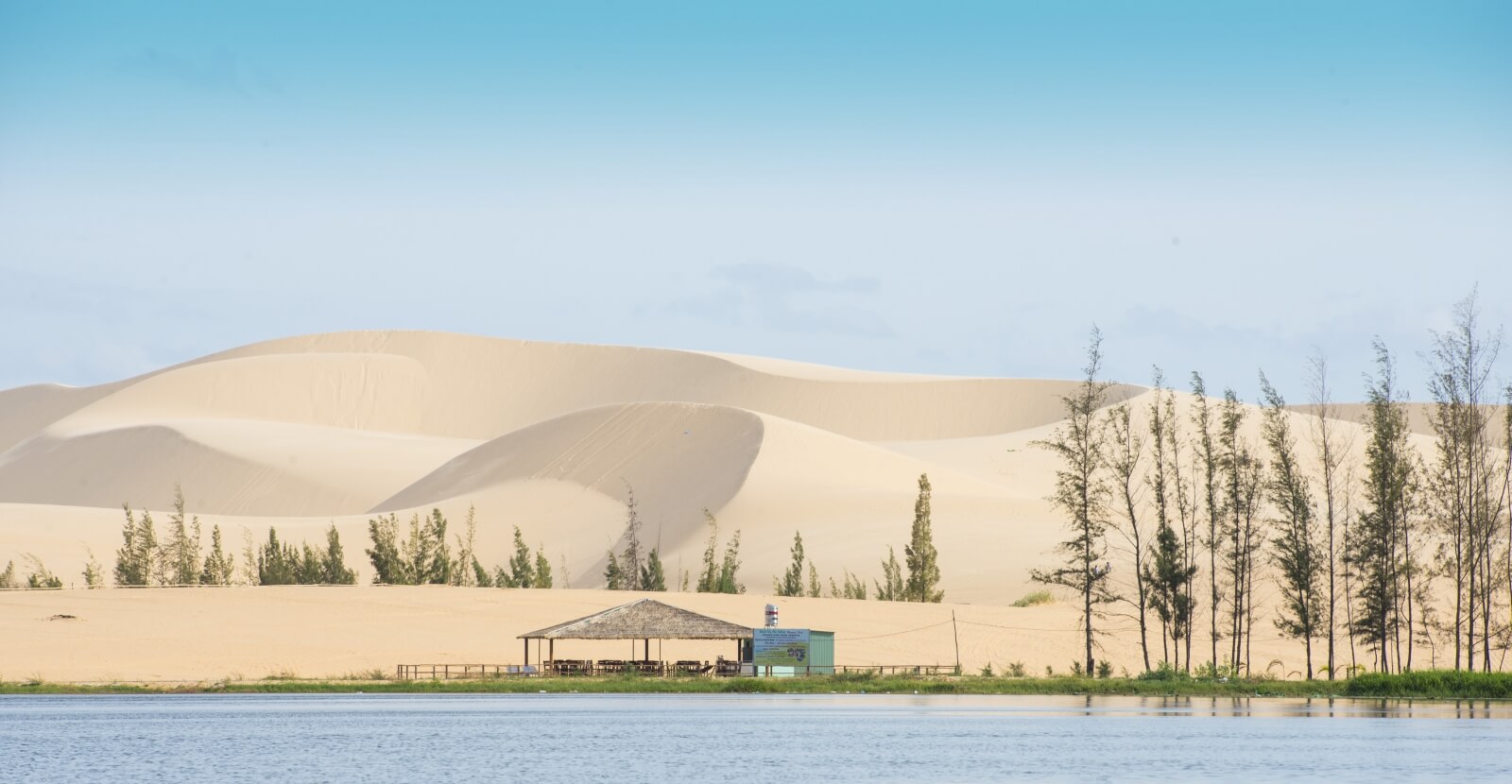
But you don’t need to kitesurf to appreciate Mũi Né in August. The White Sand Dunes are genuinely one of the stranger, more beautiful landscapes in the country — sweeping pale dunes rising out of coastal scrub, shifting and reshaped by the wind, with a freshwater lake tucked among them that somehow manages to feel like a mirage. Sunrise here is worth the early alarm. The Red Sand Dunes closer to town are smaller and more accessible — easy to visit at sunset, and the colours are extraordinary in the late afternoon light.
The Fairy Spring is a shallow stream that cuts through a canyon of red and white sandstone — you wade along it barefoot, which sounds gimmicky until you’re actually doing it and realise it’s legitimately beautiful. The Poshanu Cham Towers, a complex of 8th-century Hindu temples on a hill overlooking town, are one of the better-preserved Cham heritage sites on the coast and worth half a morning.
August crowds in Mũi Né are manageable. Prices are lower than peak season. And the wind keeps the heat honest. For Kiwis who want a beach town that isn’t Bali, this is the answer.
2. Hội An — Ancient Town Without the Shoulder Season Crowds
Thirty kilometres south of Đà Nẵng, Hội An sits on the Thu Bồn River and has been collecting UNESCO World Heritage status, lantern-lit evenings, and devoted return visitors for decades. August is one of the better months to visit — the central coast’s dry season means warm, mostly clear days — though “mostly clear” is worth noting. Occasional afternoon showers pass through even in August, and the region is not entirely immune to weather systems. Pack a light rain layer.
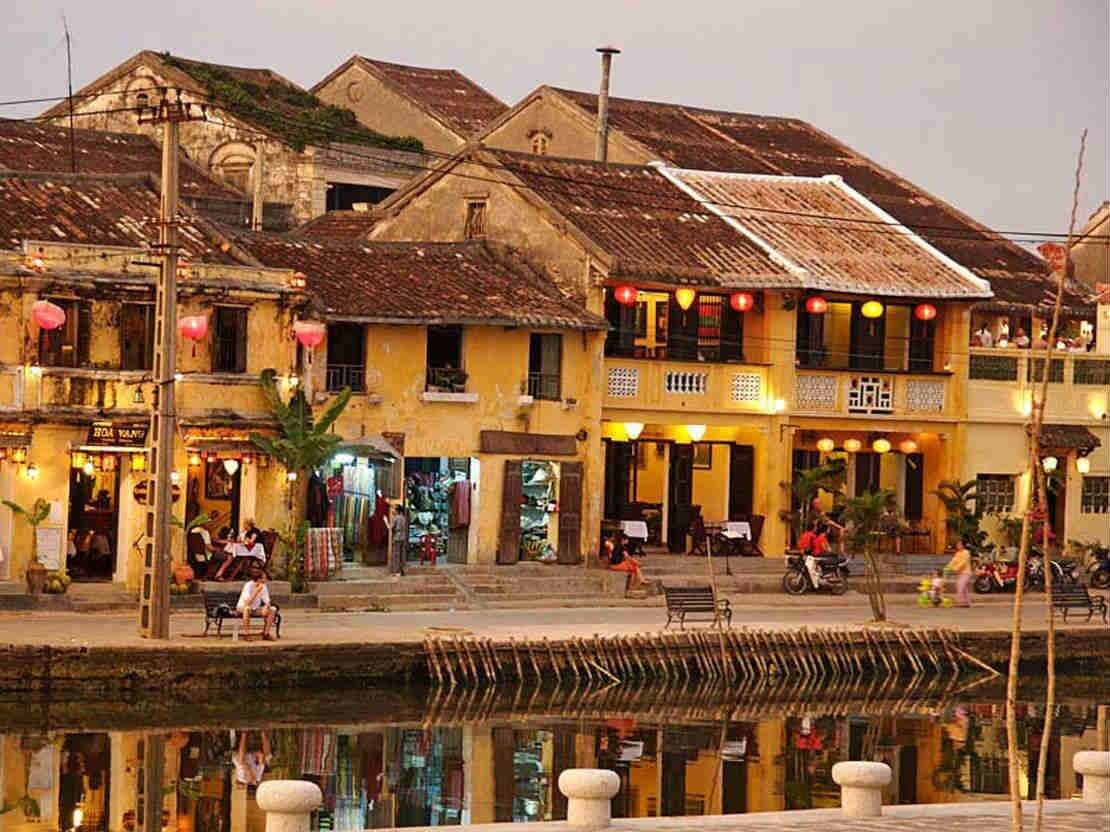
The Ancient Town itself is the obvious draw — a remarkably intact merchant port from the 15th to 19th centuries, with Japanese merchant houses, Chinese assembly halls, and French colonial shophouses all compressed into a walkable historic precinct. In August, with peak season behind you, the town feels slightly more breathable than in peak months, though Hội An is popular enough year-round that you won’t have the lantern-strewn streets entirely to yourself.
An Bằng Beach, a short ride from the Old Town, is where you want to be for water time. The beach is wide, the sand is clean, and the shack-style beach bars serve cold beer at prices that make New Zealand seem like a financial horror story. Snorkelling off the Cham Islands — a 45-minute boat ride from town — is best done in the morning before any afternoon chop sets in.
The tailors of Hội An are legitimately excellent. I’ve sent countless travellers there with fabric and left them with fitted suits, silk dresses, and áo dài that they still wear years later. Give yourself at least two fittings and don’t rush the process.
3. Nha Trang — Beach City With Infrastructure to Match
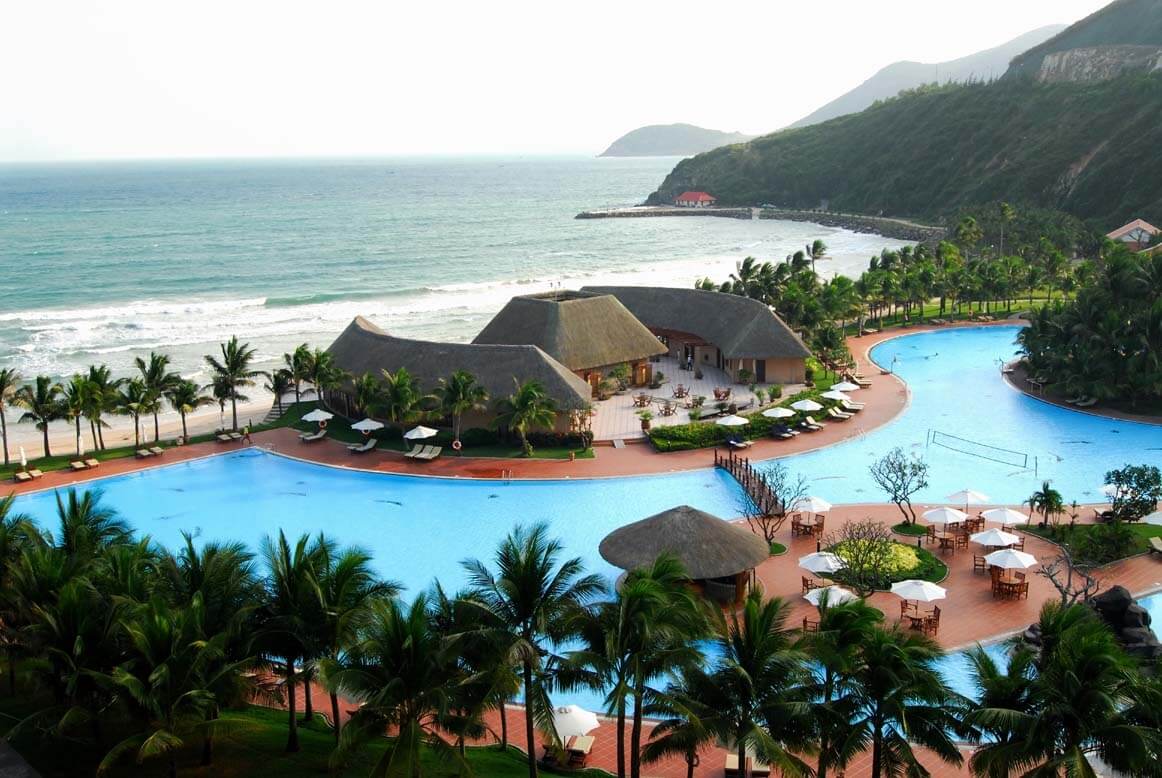
Nha Trang is Vietnam’s most developed beach city — a long arc of white sand backed by a proper urban centre with good restaurants, excellent diving infrastructure, and hotels that would not look out of place in Queenstown. August sits squarely in Nha Trang’s dry season window, making it one of the most reliably weather-safe destinations for August travel in the country.
Nha Trang – best places to visit Vietnam in August
The bay is protected by a horseshoe of islands, which keeps conditions calm for water activities. Snorkelling and scuba around Hòn Mun — the marine protected area off the coast — is the headline experience, with coral visibility that varies by tide and season but is generally at its best in the dry months. Diving companies along the waterfront run beginner and certified dives daily.
Beyond the water: the Po Nagar Cham Towers on the hill north of the city centre are a genuine historical site worth visiting in the early morning before the heat builds. Long Sơn Pagoda offers views of the bay from the hillside. The Thap Ba mud baths, a short taxi ride from town, are exactly as absurd and enjoyable as they sound — you sit in warm mud with strangers from various countries and float around laughing, which is surprisingly restorative after a long flight.
The night market along the waterfront is lively without being exhausting. Barbecued fresh seafood — prawns, squid, shellfish — is the move at the outdoor restaurants along Trần Phú Boulevard. And the swallow’s nest soup, if you want to try a genuine Nha Trang speciality, is served at specific restaurants in the old quarter.
4. Quảng Bình — Caves, Coastline, and Almost No Tour Groups
Of all the recommendations in this guide, Quảng Bình is the one that will surprise most Kiwis — because most haven’t heard of it and fewer have been. This central province, about halfway up the country between Huế and Vinh, sits in the dry zone during August and offers a combination of coastal beauty and cave systems that exist nowhere else on earth.
Phong Nha–Kẻ Bàng National Park is the headline. It contains the most extraordinary cave system in Vietnam — including Sơn Đoòng Cave, which is not only the world’s largest cave by volume but contains its own weather system, underground jungle, and a river. Permits to enter Sơn Đoòng are strictly limited and sell out far in advance — if this is on your bucket list, you book the permit first and plan the trip around it. Other caves in the park — Paradise Cave, Phong Nha Cave, Dark Cave — are more accessible and still genuinely spectacular. Dark Cave in particular involves ziplining into a cave entrance over a river and kayaking inside it, which is the sort of thing that’s hard to do justice in writing.
Nhật Lệ Beach in Đồng Hới, the provincial capital, is a long, clean stretch of coast that receives a fraction of the visitor numbers of Nha Trang or Đà Nẵng. In August, with good central coast weather, it’s a genuinely peaceful alternative.
The province’s relative obscurity is its advantage. You will not be sharing this with large tour groups.

Quảng Bình — Caves, Coastline, and Almost No Tour Groups
5. Hạ Long Bay — Still Worth It, With the Right Expectations
I’d be doing Kiwis a disservice if I excluded Hạ Long Bay entirely, because it remains one of the most visually stunning places in the country. But August comes with caveats that I want to be direct about.
August is the bay’s rainiest month. Cruise departures can be delayed or shortened. Visibility across the limestone karst landscape is sometimes reduced by mist and rain clouds — which is actually a particular kind of beautiful, the bay looking ancient and otherworldly through the haze — but you may not get the perfect blue-sky photographs you’ve seen online. Typhoon alerts in late August can cause full cancellations.
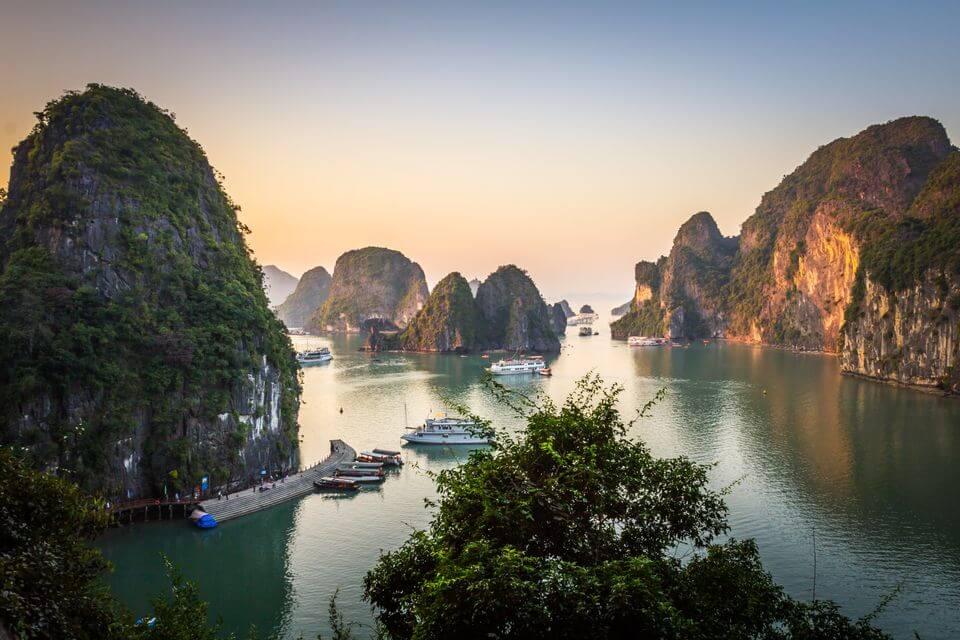
Hạ Long Bay — Still Worth It, With the Right Expectations
Go in August with flexibility rather than rigid expectations. Book a reputable overnight cruise — the two or three-night vessels that get you out to the quieter corners of Bái Tử Long Bay beyond the main tourist trail. Kayaking between the karst islands in light morning rain is not a bad experience. It is a different experience than the summer brochure photographs, and for the right traveller it is still deeply memorable.
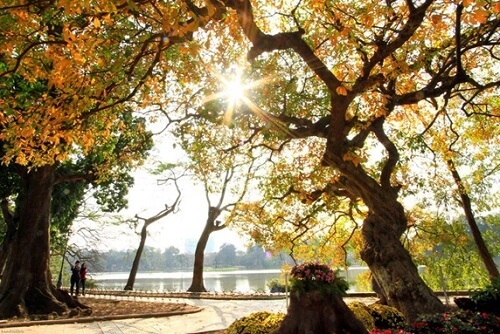
The key logistical point: even if you’re primarily interested in Hạ Long Bay, flying into Nội Bài (HAN) in Hanoi and taking the 3.5-hour road transfer gives you flexibility that flying to a single destination doesn’t. If the weather scrubs your cruise, you have Hanoi as a fallback. The city is excellent in its own right — Old Quarter, Hồ Hoàn Kiếm, the food scene, the café culture — and shouldn’t be treated purely as a transit hub.
Your E-Visa: Sort This Before You Book Anything Else
Every destination in this guide requires a Vietnam E-visa for New Zealand passport holders. You cannot rely on visa on arrival in 2026 — that system is completely obsolete. Apply online for the 90-day multiple-entry E-visa before you finalise any bookings.
Standard processing takes 3 business days. If you’re booking flights impulsively (I understand — a good deal appears and you hit confirm), urgent processing through a specialist service like VisaOnlineVietnam can deliver your approved e-visa within 2 to 4 hours. Your passport needs at least 6 months of validity beyond your departure date from Vietnam.
VIP Airport Fast-Track is available at Nội Bài (HAN), Tân Sơn Nhất (SGN), and Đà Nẵng (DAD) — a priority immigration lane with a personal concierge meeting you at the gate. After a long-haul from Auckland, bypassing a 45-minute general queue is a genuinely appealing option.
💡 Expert Insight from Stanley Ho: “Over my 23+ years handling travel logistics, the most frequent disruption occurs at the check-in desk due to simple application formatting errors. If you are stuck at the airport and denied boarding, don’t panic—our emergency team can secure a new E-visa clearance through priority channels within hours, saving your flight.”
Frequently Asked Questions
Is August a good time to visit Vietnam from New Zealand? It depends entirely on which region you’re visiting. The central coast — Hội An, Đà Nẵng, Nha Trang, Quảng Bình — is in dry season during August and is excellent. Southern destinations like Mũi Né also offer good conditions. The north is in peak wet season with typhoon risk, and mountain trekking areas like Sapa are not recommended in August.
What should I pack for Vietnam in August? Light, breathable clothing in natural fabrics — linen, cotton — is non-negotiable at 30–35°C. A compact umbrella or packable rain jacket for afternoon showers. Reef-safe sunscreen (Vietnam has strict regulations on reef-damaging chemicals in marine protected areas). Comfortable walking shoes that dry quickly. A power adapter for Type A/B/C sockets.
Do New Zealand citizens need a visa for Vietnam in August 2026? Yes. New Zealand passport holders need a Vietnam E-visa for any visit. The 90-day multiple-entry E-visa is the standard option — applied for online, processed in 3 business days, valid at all international entry points. The old Visa on Arrival approval letter system no longer exists.
How do I get from Auckland to the central coast destinations? There are no direct flights from Auckland (AKL) to Đà Nẵng (DAD), though direct routes have been under discussion. In 2026, most Kiwis connect through Singapore (SIN via Singapore Airlines), Hong Kong (HKG via Cathay Pacific), Doha (DOH via Qatar Airways), or Kuala Lumpur (KUL via Air Asia). Total journey time is typically 15 to 19 hours. Đà Nẵng makes the best hub for central coast itineraries covering Hội An, Nha Trang, and Quảng Bình.
Can I extend my Vietnam E-visa if I decide to stay longer? E-visa extensions are not available online. To extend your stay beyond the approved duration, you must visit an Immigration Office in person in Hanoi or Ho Chi Minh City before your visa expires. Processing takes up to 10 business days. If you think there’s any chance you’ll want more than the standard allocation, apply for the full 90-day e-visa from the start.
About the Reviewer: Stanley Ho is the CEO of VisaOnlineVietnam and a recognized expert consultant in the international aviation and travel service industry. With decades of experience navigating complex immigration regulations, Stanley and his team specialize in providing seamless visa solutions, fast-track airport services, and emergency travel assistance for global citizens visiting Vietnam.
***
TransOcean Tourist offers visitors a variety of tours all over Vietnam, bringing them to destinations where they can be inspired by immersing in the natural beauty and experiencing local cultures.
Contact TransOcean Tourist:
8105 Rasor Boulevard, Suite 283Plano, TX 75024, United States
+1 (479) 208 4638
vu.tran@transoceanservice.com
54 Nguyen Cu Trinh St., Pham Ngu Lao Ward, District 1, Ho Chi Minh City, Vietnam
+84 (28) 3920 426 – +84 968 18 77 18
info@transoceanservice.com



Comments are closed.